Designing a deck can be an exciting and rewarding project for any homeowner. A well-designed deck not only enhances the beauty and functionality of your outdoor space, but it also adds value to your home. However, the key to a successful deck project lies in careful planning and execution. From choosing the right location to selecting materials and creating a layout, there are several crucial steps involved in planning a deck. In this blog post, we will guide you through the process of turning your dream deck into a reality with our step-by-step approach to designing a deck.
Identify Your Deck’s Purpose and Desired Features
When planning a deck and designing a deck, it is crucial to start by identifying the purpose and desired features of your future outdoor space. Consider how you envision using the deck – will it be a place for relaxation, entertaining, or both? Think about the specific features you want, such as seating areas, a barbecue grill, or even a hot tub. Understanding your deck’s purpose and desired features will help guide the rest of the planning process, allowing you to create a structure that meets your needs and reflects your personal style. In this section, we will provide you with valuable deck design tips to help you shape your dream deck.
Assess Your Available Space and Site Conditions

Before you start designing your dream deck, it’s important to assess your available space and site conditions. Take measurements and note any obstacles, such as trees or slopes, that may impact the layout or structure of your deck. Consider how the deck will fit into your existing outdoor space and how it will interact with your home’s architecture. These assessments will help shape your deck design, ensuring that it not only looks beautiful but also functions seamlessly with the surrounding environment. In this section, we will provide you with deck design tips to make the most of your available space and site conditions.
Determine Your Budget
 Determining your budget is a crucial step in the deck planning process. It helps you establish realistic expectations and make informed decisions about the materials, size, and design of your deck. Consider factors such as your overall budget, desired features, and maintenance costs when setting your budget. Research the average costs of materials and labor in your area to get a rough estimate. Remember to leave some room for unexpected expenses. By determining your budget early on, you can ensure that your deck project stays on track and that you create a realistic plan for bringing your dream deck to life.
Choose Your Materials
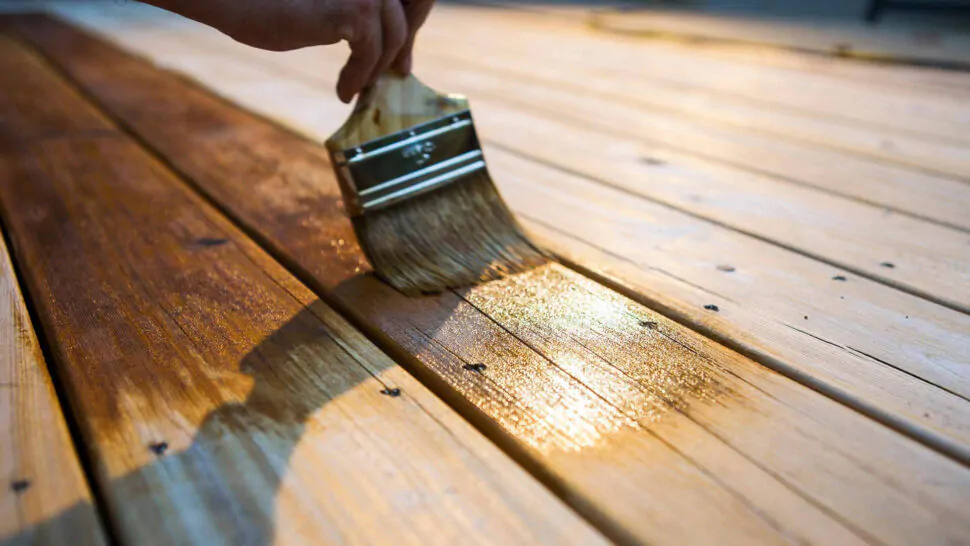
When it comes to choosing materials for your deck, there are a few factors to consider. First, think about the overall style and aesthetic you want to achieve. Do you prefer the natural look of wood or the durability of composite decking? Next, consider the maintenance required for each material. Wood decks may require staining and sealing, while composite decks are low-maintenance and resistant to rot and insect damage. Additionally, think about the durability and longevity of the materials. You want to select materials that will withstand the elements and hold up well over time. Take all these factors into account when choosing the materials for your deck to ensure you create a structure that is both beautiful and functional.
Deck Design Tips
Now that you have a clear vision for your deck and have assessed your space and budget, it’s time to bring your ideas to life by designing your deck. This is where your creativity and imagination can shine! Consider the layout, size, and shape of your deck. Sketch out a rough drawing or use a design software to create a visual representation of your deck. Think about how the deck will flow with the existing structure and landscaping. Don’t forget to include important elements like stairs, railings, and seating areas. This is your opportunity to make your dream deck a reality, so have fun and let your design ideas come to life on paper!
Create a Construction Timeline

Once you have finalized your deck design, it’s time to create a construction timeline to bring your project to life. A construction timeline is a roadmap that outlines the order of tasks and the estimated time it will take to complete each step. Start by breaking down your project into smaller tasks, such as obtaining permits, purchasing materials, and building the frame. Use your design drawing as a reference to determine the sequence of tasks. Assign realistic timelines to each task, taking into account any potential delays or weather considerations. By creating a construction timeline, you can stay organized and ensure a smooth and efficient deck building process.