When it comes to creating an outdoor living space, one of the biggest decisions is choosing between traditional wood decking or modern composite decking. Both options have their own unique set of advantages and drawbacks, making it difficult to determine which is the better choice. On one hand, the classic charm and natural beauty of wood decks are hard to beat, but on the other, the durability and low maintenance of composite decking can’t be ignored. In this blog post, we’ll delve into the pros of wood decks and the advantages of composite decking, to help you make an informed decision on which option is best for your outdoor oasis.
Going Classic: The Timeless Charm of Wood Decking or Pros of Wood Decks
Wood decking has a timeless charm that is hard to replicate. The natural beauty and warmth of wood can add a touch of elegance and sophistication to any outdoor space. Whether it’s a rustic cabin or a modern home, wood decks have the ability to blend seamlessly with any style.
One of the main advantages of wood decking is its versatility. With a wide variety of wood species to choose from, you can create a deck that matches your personal taste and complements the existing aesthetics of your home. From the rich, warm tones of cedar to the deep, rich hues of mahogany, there is a wood species to suit every preference.
Another advantage of wood decking is its ability to withstand the test of time. When properly maintained, a wood deck can last for decades, adding value to your home and providing a space for you and your loved ones to enjoy for years to come.
In addition to its visual appeal and durability, wood decking also has a natural feel underfoot. Unlike composite decking, which can feel artificial and plastic-like, wood decking provides a warm and inviting surface that is comfortable to walk on barefoot.
While wood decking does require regular maintenance to keep it looking its best, many homeowners find the effort worthwhile for the timeless charm and beauty it brings to their outdoor spaces. So, if you’re looking for a classic and timeless option for your outdoor oasis, wood decking is the way to go.
Advantages of Composite Decking and Modern Comforts
 Composite decking offers a modern and environmentally-friendly alternative to traditional wood decking. One of the key advantages of composite decking is its eco-friendly nature. Unlike wood decking, which requires cutting down trees, composite decking is made from a blend of recycled materials, such as wood fibers and plastic. This not only reduces the demand for natural resources but also prevents the accumulation of waste materials in landfills. By choosing composite decking, you can have peace of mind knowing that you’re making a sustainable choice for your outdoor space.
Another advantage of composite decking is its durability. Composite deck materials are designed to withstand harsh weather conditions, such as rain, snow, and UV rays, without rotting, warping, or fading. This means that your composite deck will maintain its original beauty and functionality for years to come, with minimal maintenance required.
Additionally, composite decking is resistant to insects, such as termites, which can cause significant damage to wood decks. This eliminates the need for potentially harmful chemical treatments to protect against pests.
With composite decking, you also have a wide range of colors and finishes to choose from, allowing you to customize your outdoor space to your desired aesthetic. Whether you prefer the look of natural wood grain or a more modern and sleek appearance, there is a composite decking option to suit your style.
In summary, as my experience shows, the advantages of composite decking make it an environmentally-friendly and durable choice for your outdoor oasis. By opting for composite decking, you can enjoy a beautiful and sustainable outdoor space for years to come.
Comparing Durability: How Wood and Composite Stand Up Over Time
When it comes to comparing the durability of wood and composite decking, there are some key factors to consider.
Wood decking has a long-standing reputation for durability when properly maintained. It can withstand the elements and last for decades, making it a reliable choice for outdoor spaces. However, wood decking is susceptible to rot, warping, and fading over time, especially if it is not properly sealed and treated. Regular maintenance, such as staining and sealing, is necessary to keep it looking its best and extend its lifespan.
On the other hand, composite decking is designed to be highly durable and low-maintenance. It is made from a blend of recycled materials, such as wood fibers and plastic, which gives it added strength and resistance to rot, warping, and fading. Composite decking is also highly resistant to moisture and UV rays, which helps it maintain its original appearance and functionality over time. While composite decking may show signs of wear and tear after years of use, it generally requires minimal maintenance and does not require staining or sealing like wood decking.

Overall, both wood and composite decking can be durable choices for outdoor spaces, but composite decking tends to have the edge when it comes to long-term durability and low maintenance. It is important to consider your specific needs and priorities when choosing between the two options.
Maintenance Matters: The Ongoing Needs of Wood Vs. Composite Decks
Maintaining your outdoor deck is an important aspect to consider when choosing between wood and composite decking. Both options have different ongoing needs and maintenance requirements.
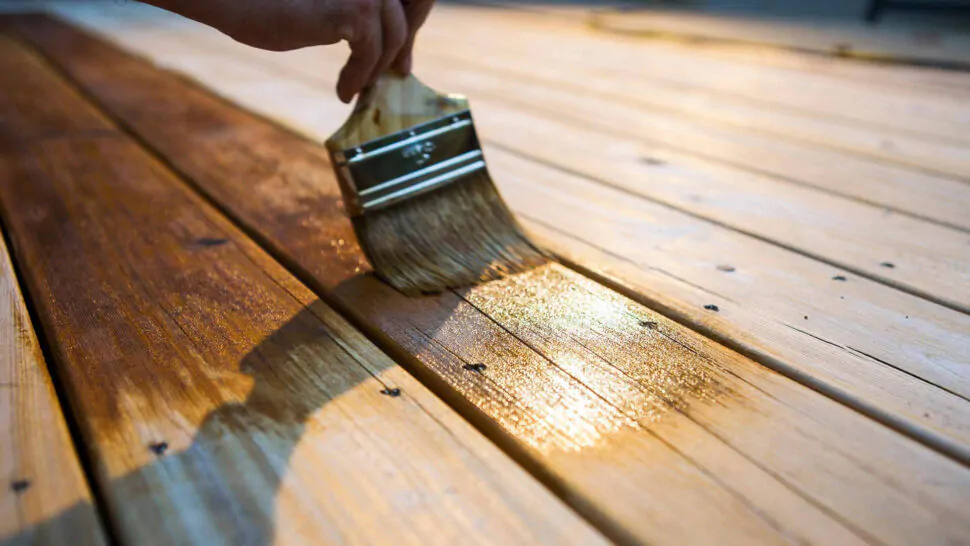
Wood decks require regular maintenance to keep them looking their best and to ensure their longevity. This includes periodic staining, sealing, and painting to protect the wood from rot, warping, and fading. Depending on the climate and exposure to the elements, you may need to perform these tasks every one to three years. In addition, wood decks may require sanding or refinishing to remove any signs of wear and tear. It’s important to note that neglecting the maintenance of a wood deck can lead to costly repairs and replacement in the long run.
On the other hand, composite decking requires much less maintenance. The composite deck materials used in its construction are resistant to rot, warping, and fading, so there is no need for staining, sealing, or painting. A composite deck typically only needs occasional cleaning with soap and water to remove dirt and debris. This makes composite decking a low-maintenance option that saves you time and effort.
As my experience shows in terms of ongoing needs, composite decking definitely has the advantage over wood. However, some homeowners enjoy the maintenance involved with wood decking as a way to connect with their outdoor space and enjoy the satisfaction of preserving its natural beauty.
Ultimately, the choice between wood and composite decking comes down to your personal preference and the amount of time and effort you’re willing to invest in maintaining your outdoor oasis.
Value for Money: Long-term Costs Involved in Both Options

When it comes to choosing between wood decking and composite decking, it’s important to consider the long-term costs involved in each option. While the initial cost of composite decking may be higher than that of wood decking, it’s essential to look at the big picture and consider the overall value for money.
Wood decking requires regular maintenance to keep it looking its best and to prevent rot, warping, and fading. This means investing time and money in staining, sealing, and painting the wood, as well as potential repairs and replacement in the future. These ongoing costs can add up over time.
On the other hand, composite decking requires minimal maintenance. With its resistance to rot, warping, and fading, you won’t need to worry about staining, sealing, or painting. Occasional cleaning with soap and water is usually all that’s needed. While the initial cost may be higher, the long-term savings on maintenance and repairs make composite decking a more cost-effective option in the long run.
Taking into account my many years of experience, composite decking tends to have a longer lifespan than wood decking. With proper care and maintenance, a composite deck can last for decades, whereas wood decking may need to be replaced sooner. This extended lifespan adds to the overall value and cost-effectiveness of composite decking.
Ultimately, when considering the value for money, it’s important to look beyond the initial cost and consider the long-term maintenance and lifespan of the deck. In this regard, composite decking offers a more cost-effective and hassle-free solution for your outdoor oasis.